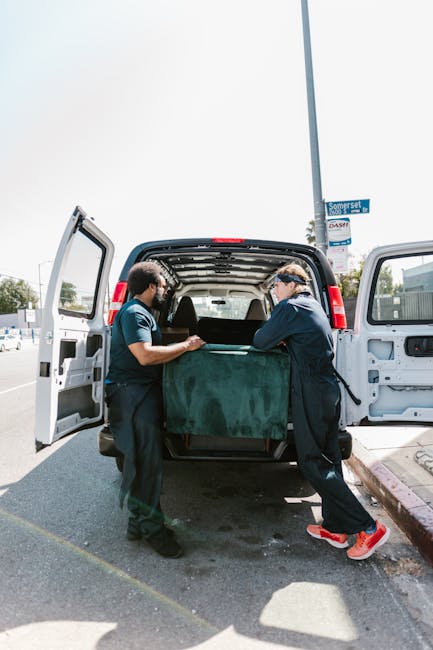
Man With Van in Catford

Our man with van in Catford service is built for practical local moving work that needs careful handling, sensible loading and straightforward planning. It suits home contents, single items, student moves, flat clear-outs and small business deliveries where a full removals team may be more than you need. We focus on getting items moved securely, with attention to access, lifting and route planning so the job feels organised from the start.
Because every move is different, we can support a range of tasks that sit around the core transport job. That may include moving furniture between rooms, collecting purchases, shifting boxed belongings or helping with awkward items that need more than a standard car journey. If you need a clear plan before you book, ask for a quotation and describe the items, addresses and access details in plain terms.
When you compare options, it helps to look at the style of service as well as the vehicle size. A dedicated man and van arrangement is often useful when you want one straightforward journey, help loading and unloading, and enough flexibility to suit smaller or more selective moves. For larger household moves, you may prefer to explore the broader house removals page first and then decide whether a lighter service is the better fit.
What the service covers
Our work centres on moving items safely and efficiently, rather than making the process complicated. Typical jobs can include transporting furniture, boxed household goods, personal belongings, appliances that are ready to move, and other items that are practical to carry in a van. The point is to provide a measured service that suits the load in front of us, not to oversell a package you do not need.
For customers who want help with a home move, the service can be shaped around the size of the property and the amount of furniture involved. Some jobs are a single collection and delivery, while others involve a fuller load from a flat, maisonette or house. If you are comparing different moving options, the home moves page is a useful place to review a wider domestic service, while the removal services page gives a broader overview of what a removals business may cover.
Not every move needs a large crew or a lengthy operation. A van-based approach is often suitable when the job depends more on access, timing and careful packing of the load than on scale alone. Tell us what needs moving, whether there are stairs or tight spaces, and whether any items need dismantling first. That helps us shape the work properly and keep the quotation relevant.
Domestic moves and single-item transport

Many enquiries for a man with van service come from people moving a modest number of items rather than a whole house. That can include a few large pieces of furniture, a room’s worth of belongings, storage contents or a collection of boxes that need transporting between addresses. It can also suit purchases from shops or private sellers when you need more capacity than a hatchback can offer.
Where the load is mostly household furniture, it is useful to think about how it will be carried rather than only how far it will travel. Sofas, tables, wardrobes and white goods all bring their own handling requirements, especially in properties with narrow hallways, shared entrances or stairs. In those cases, a service such as furniture pick up may be a practical fit if you mainly need items collected and delivered without a complex moving schedule.
For customers who are moving from one home to another, the service can be kept focused on the essentials: loading, transit and unloading. That makes it easier to manage a move that is local, selective or arranged around a specific delivery window. If you are ready to plan the job, request a quotation with a simple list of items and the addresses involved so the scope can be reviewed accurately.
Packing, lifting and access
Careful loading is one of the main reasons people choose a van-based moving service. Boxes need to be stacked securely, furniture should be protected from knocks and loose items ought to be kept stable during transit. We can work from a practical moving plan that reflects what needs loading first, which pieces are heavier, and what should travel separately.
If you want support before the vehicle leaves, some jobs also benefit from packing and unpacking help. This is especially useful when you have a mix of fragile household items, awkwardly shaped belongings or containers that need clearer organisation before they are carried. You can review the approach on our packing and unpacking services page if you need that extra stage included.
The best results usually come from a clear picture of access at both ends. Stairs, lifts, parking distance and hallway width all matter when time and handling are being planned. A short written note is often enough to start a useful discussion. If you are not sure whether the job needs two people, a different vehicle or extra time, send the details with your enquiry and we can respond with a sensible proposal.
Moving for homes, flats and smaller properties
Catford includes a mix of housing styles, so local moving work can vary from compact flats to family houses with more furniture and boxes. A man with van service is often chosen because it can stay practical across those different settings without the scale of a full removal operation. It can suit moves where the amount of belongings is manageable but still too much for a car or taxi-style journey.
When the move is domestic, the main decisions are usually about volume, access and whether items need help at both addresses. If the task is essentially a straightforward house move with a modest load, our house movers page gives another way to view that sort of work. For people moving on a tighter schedule or with fewer pieces, the lighter man and van removals option may also be worth considering.
Clear loading instructions, a sensible order for the items and accurate information about parking can make a noticeable difference to how smoothly the job runs. That does not mean the enquiry has to be complicated. A basic list, a rough idea of the larger pieces and the collection and delivery points are often enough to begin. Keep the focus on what is actually moving, and the service can be matched to it more effectively.
When the load is small but important

Some of the most useful jobs are not large at all. A van can be the right choice for a bed frame, a dining set, boxed personal items, display stock, or the contents of a storage cupboard. These jobs still need care because smaller loads can be fragile, uneven or awkward to hold if they are not secured properly in transit.
Where the move is mainly about goods rather than a full domestic relocation, a related service such as removals may be a useful broader reference point. If you need a vehicle-based move that is more focused, the moving van page reflects the transport side of the work and helps set expectations around capacity and handling.
It is often sensible to group items before the day and separate anything that should travel last or be unloaded first. That keeps the process orderly without turning it into a major packing exercise. If you want to check whether your items suit the service, ask for a quotation and include a simple description of the load rather than trying to over-explain every detail.
Commercial and office moving tasks
Not every man with van job is domestic. Small businesses also use this type of service for moving stock, files, office furniture and equipment between premises or into storage. The work may involve a few desks and chairs, a compact set of archive boxes, or a mixed load that needs transport without a full office relocation plan.
Where the job is clearly business-related and the contents need a little more structure, the commercial moves page is a sensible place to look for the wider context. For office-specific work, office removals and office relocation services help distinguish between simple transport and a more planned workplace move.
Business customers often want a practical service that keeps disruption low. That may mean working to a narrow access window, managing boxed records carefully or moving items in a sequence that suits how the new space is being used. If your enquiry is commercial, tell us what type of goods are involved so the quotation can reflect the nature of the load rather than treating it like a domestic move.
Planning the quotation
A good quotation begins with the facts that matter most: what is moving, where it is going and how it will be collected. A simple inventory is often enough, especially if you are moving a small number of furniture pieces or several boxes. If there are stairs, narrow access points, lift restrictions or difficult parking, those details should be included too, because they affect the work involved.
It also helps to say whether the items are ready to go or whether dismantling, packing or an extra stop is needed. That does not mean you need a perfect list before making contact. It just means the more accurate the outline, the more useful the response is likely to be. If you need to compare overall moving costs and service scope, our pricing and quotes page is the place to review the general approach.
For some enquiries, a small amount of preparation saves time on the day. Keep fragile items grouped together, label boxes if that helps, and make sure the larger pieces are accessible. When you are ready, request a quotation with the essentials only, and the moving plan can be shaped around the actual job rather than assumptions.
About Catford
Catford is a district in the London Borough of Lewisham, in south-east London, and it has long been recognised as a local centre with a distinct urban character. The area sits on the route between central Lewisham and the wider parts of south-east London, with Catford Broadway forming a main commercial spine. One of the best-known landmarks is the Catford Cat, a large fibreglass sculpture mounted on the Broadway Theatre that has become part of the district’s visual identity. Nearby, the theatre itself is a familiar feature of the town centre and reflects the area’s longstanding role as a place for performance and civic activity. Catford also connects to wider green and residential landscapes through streets leading towards Mountsfield Park and other open spaces in the surrounding borough, while local rail services have historically shaped its relationship with the rest of London. The district’s built environment includes a mixture of post-war redevelopment, older terraces and more recent housing, giving it a varied streetscape rather than a single uniform style. That combination of transport links, commercial frontage and residential neighbourhoods has helped Catford maintain a practical, everyday local character. Its identity is tied as much to ordinary shopping streets and community use as to any single landmark, and the area remains closely associated with the broader social and transport fabric of Lewisham.
Support for different types of moving job

Because a man with van service is flexible, it can be adapted to different moving tasks without changing the basic idea of the job. One customer may need a sofa delivered from one postcode to another, while another wants several rooms of belongings moved from storage into a flat. The common thread is that the load is manageable, but still needs proper handling and a suitable vehicle.
If you are dealing with a move that includes the contents of a property, the service may sit alongside our broader man with van removal page, which presents the moving side of the work more directly. For customers who simply need a smaller, more focused lift-and-carry solution, moving truck or removal van may help you think about vehicle choice and capacity in a more practical way.
Every move benefits from matching the vehicle and loading approach to the actual item list. That is especially true when there are bulky pieces, fragile goods or a route that includes tight turns and limited parking. If your move is straightforward, it may only take a brief enquiry to get started. If it is more complex, a short explanation of the main challenges will help the quotation be more realistic.
Service details that affect the final job
Some moving jobs are shaped less by distance than by the number of handling steps involved. For example, a short journey can still take time if items must be carried down several flights, moved through shared entrances or arranged carefully in a packed van. Likewise, a longer local journey may be simple if the load is well prepared and access is straightforward at both ends.
It is also worth thinking about whether the job includes any items that need special placement. Wardrobes, glass tables, exercise equipment and appliances can all need different approaches to safe loading. Where appropriate, small dismantling or rearranging may be part of the plan, but that should be discussed clearly in advance rather than assumed. If you need a wider transport context, the moving van and removals van pages are useful related references.
Good quotations come from clear scope, not from overcomplicating the enquiry. A simple list of items, a couple of notes about access and a realistic moving date are often enough to start. If you need to decide whether the job belongs in a domestic or commercial category, say so in your message and we can keep the response focused on the right kind of move.
Getting the move arranged

When you are ready to arrange a move, think first about the pieces that are definitely going and the places they need to come from and go to. That makes it easier to compare the job with our services and decide whether the van-based option is the best fit. It also helps to mention anything that is unusually large, particularly fragile or awkward to carry.
Some customers use this service for a straightforward collection and delivery, while others need more support with home contents or business goods. If you are unsure which page matches your job, the general movers option can help frame the service more broadly, and the removal company page is a useful reference for customers comparing different forms of moving assistance.
Request a quotation when you are ready, using the details you already have rather than waiting for a perfect inventory. The most useful enquiries are usually the ones that simply explain what needs moving, where it is going and any access issues that matter. From there, the service can be matched to the work in a practical way, with a clear focus on the actual load and the route it needs to take.