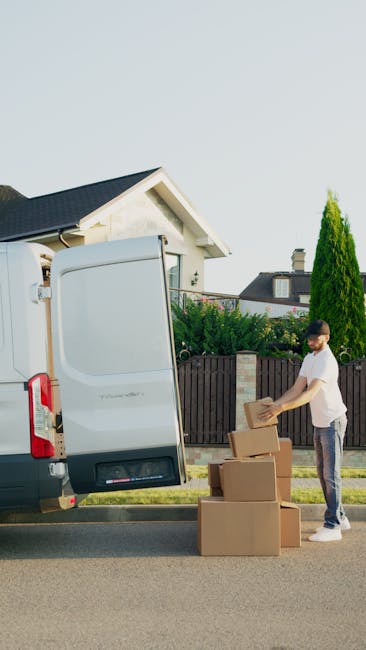
Catford Broadway Removals Guide for Tight Access Streets
If you are planning a move around Catford Broadway, the biggest challenge is often not the packing, it is the street itself. Tight access, parked cars, narrow turning space, awkward flats above shops, and the odd van-sized blind spot can turn a simple removal into a stressful puzzle. This Catford Broadway removals guide for tight access streets is here to make the move feel manageable, not chaotic.
In practice, moving on busy South London roads takes a bit more thought than a standard house move. You need to think about vehicle size, lift access, loading times, walking distances from van to door, and whether the best approach is a small removal van, a man and van team, or a fuller removals service. The good news? With the right preparation, tight access does not have to mean a difficult move. It just means a smarter one.
Below, you will find a clear, grounded guide to planning, loading, timing, and avoiding the usual headaches. There is also a checklist, a comparison table, and a practical example so you can see how this works in the real world. If you want a broader look at the local moving picture, the services overview and removals Catford pages are useful starting points.
Expert summary: Tight access removals are won or lost before the van arrives. Measure the space, reduce bulky items, book the right vehicle, and leave yourself a little breathing room. That is the difference between a calm move and a very long afternoon.
Table of Contents
- Why Catford Broadway removals guide for tight access streets Matters
- How Catford Broadway removals guide for tight access streets Works
- Key Benefits and Practical Advantages
- Who This Is For and When It Makes Sense
- Step-by-Step Guidance
- Expert Tips for Better Results
- Common Mistakes to Avoid
- Tools, Resources and Recommendations
- Law, Compliance, Standards, or Best Practice
- Options, Methods, or Comparison Table
- Case Study or Real-World Example
- Practical Checklist
- Conclusion
- Frequently Asked Questions
Why Catford Broadway removals guide for tight access streets Matters
Catford Broadway sits in an area where real-life access can be more complicated than it looks on a map. You may have a main road nearby, but the final stretch to the property can be tight, busy, or lined with parked vehicles. That matters because removals are really a logistics job at heart. A team can be efficient, experienced, and careful, but if the van cannot get close enough, everything takes longer.
When access is tight, every extra metre between the van and the front door adds time, effort, and risk. Boxes get carried further. Sofas become harder to manoeuvre. Fridges and wardrobes need more handling. And when you are moving in London traffic, with a meter running or a booked time slot to hold, those little delays matter more than people expect.
This is especially true for flats, converted buildings, maisonettes, and properties near busier stretches where double parking is not really an option. It is also relevant if you are moving at short notice. In those situations, a service like same-day removals Catford can help, but only if the access plan is realistic from the start.
There is another point too. Tight access streets create stress. Simple as that. If you have to keep shuffling cars, apologising to neighbours, or worrying whether the van can swing round, it drains your focus. A good removals plan protects your energy as well as your furniture. And let's face it, moving day already asks enough of you.
How Catford Broadway removals guide for tight access streets Works
The core idea is straightforward: work backwards from the property rather than forwards from the van. First, understand the access at the loading point. Then match the removal method to that access. Then organise packing, timing, and loading so the move flows in one direction without bottlenecks.
In a tight street, the main question is not only how much you are moving. It is how the goods will actually leave the property. That means checking whether a van can stop outside, whether it will need to park around the corner, whether stairs are involved, and whether large items can safely pass through hallways, stairwells, or door frames.
Most successful moves in this kind of setting use a smaller or more flexible vehicle, sometimes with multiple trips, or a team that can split loads and stage items carefully. A man with a van Catford setup is often suitable for lighter moves, student moves, or carefully planned flat relocations. For heavier moves, a more structured option such as house removals Catford can make more sense.
The process usually looks like this:
- Assess the street, property type, and parking situation.
- Choose the vehicle and team size based on actual access, not guesswork.
- Pack and label items so the shortest-carry items can be loaded first or last as needed.
- Reserve time for lift delays, stair carries, or waiting for a clear space outside.
- Move the most awkward items only after the route has been checked and cleared.
That sequence sounds simple, but it cuts out the worst surprises.
Key Benefits and Practical Advantages
A thoughtful approach to tight access removals gives you more than just convenience. It can reduce damage, save time, and help you stay within budget. You also get a calmer handover at the property, which makes a big difference when you are trying to work with landlords, neighbours, or estate agents.
Here are the main benefits:
- Less handling damage: Fewer awkward turns and shorter carrying distances lower the chance of scuffs and knocks.
- Better time control: The move becomes easier to schedule because the team is not improvising around blocked access.
- Smarter vehicle choice: The right van size can be the difference between smooth loading and endless repositioning.
- Lower physical strain: Useful if you are moving heavy furniture or multiple boxes up and down stairs.
- Less neighbourhood friction: A clear, compact operation is usually less annoying for neighbours and passing traffic.
There is also a practical commercial benefit. When access is planned well, quotes tend to be more accurate. That helps you avoid add-on stress later. If you are comparing options, pages like pricing and quotes and removal companies Catford can help you understand how service level and access affect the job.
To be fair, the biggest benefit is peace of mind. You are not standing in the doorway wondering whether the sofa is going to make that turn by the stair rail. You already know the plan. Much nicer.
Who This Is For and When It Makes Sense
This guide is for anyone moving in or around Catford Broadway where access is awkward enough to matter. That could be a top-floor flat, a terraced property on a narrow street, a conversion with a tight entry hall, or a shop-to-home move where loading space is limited.
It also makes sense if you are moving one of these:
- a one-bedroom flat with stairs and limited parking
- a student room or shared house with lots of small items
- a family home with bulky furniture and not much forecourt space
- an office or work unit with stock, boxes, or office furniture
- one large item, such as a piano or heavy wardrobe, that needs care and clear access
If that last one sounds familiar, special handling may be sensible. For example, piano removals Catford are not something to improvise on a cramped pavement at the last minute. Likewise, if your move is mainly household furniture, furniture removals Catford can be a better fit than a basic lift-and-load service.
Student moves often fall into the tight-access category too. People underestimate how many bags, desk pieces, monitors, kitchen bits, and random boxes can appear at once. It happens every year. If that is your situation, student removals Catford can be worth a look.
Step-by-Step Guidance
If you want a smooth move in a tight street, follow a process rather than just hoping for the best. Hope is not a strategy, really.
1. Survey the access properly
Stand outside the property and look at the route with a mover's eye. Can a van pull in without blocking the road? Is there a tight bend? Are there bollards, parked cars, speed humps, overhanging branches, or low walls? Check the width of the entry point too, not just the road itself.
2. Measure the awkward items
Door frames, stair turns, and lift openings matter more than people think. Measure anything bulky before move day. If your sofa is too long for the stairwell, you need to know that in advance, not while a team is already halfway through the job.
3. Choose the right removal method
For smaller or medium moves, a flexible vehicle and careful loading can work well. For larger homes, you may need a more complete service. If you want to understand the available formats, see man with van Catford, man with van Catford, and removal van Catford for the kind of setup often used in constrained streets.
4. Pack by carry distance
Put the things you will need to move first into the easiest-to-grab boxes. Keep fragile items well cushioned. Label boxes clearly, but keep labels simple. "Kitchen," "Books," "Fragile," "Open first" is usually enough.
5. Clear the loading route
On the day, remove trip hazards from hallways and stairs. Fold rugs, move shoes, tie back loose cables, and make sure doorways are open before the team starts carrying. This sounds obvious. It is. But it saves time.
6. Build in waiting time
If you need to wait for a parking space or work around traffic, accept that in the schedule. A move with tight access always needs a little cushion. Even 15 to 20 minutes can make the difference between a smooth start and a frantic one.
7. Confirm the load order
Large items, fragile items, and essentials should be planned in advance. You do not want to bury the kettle under eight boxes of novels. Honestly, that first tea matters.
Expert Tips for Better Results
Over the years, the moves that go best are rarely the ones with the fanciest equipment. They are the ones with the clearest plan. A few small choices make a large difference.
- Book the loading window early: On a busy road, the best time is often quieter than you expect. Earlier starts can help if traffic and parking are unpredictable.
- Use fewer, sturdier boxes: Too many weak boxes slow everything down and make carrying awkward. Strong, medium-sized boxes usually travel better.
- Separate essentials: Keep documents, chargers, medication, snacks, and a change of clothes in one bag you can reach quickly.
- Protect corners and edges: Tight halls and stair turns are where chips happen. A little padding is worth it.
- Tell the mover about hidden access issues: Narrow side gates, basement steps, or a lift that only fits one person and a bag at a time are important details.
- Have a backup plan for parking: Sometimes the obvious spot is taken. If there is another legal place nearby, know it before the van arrives.
A small but useful tip: if you are moving from a flat, tell the team which floor you are on and whether the stairs are straight or curved. Curved stairs are where things get interesting, and not in a good way.
If you need help preparing boxes and materials, the packing and boxes Catford and package and boxes Catford pages are useful references for organising the front end of the move.
Common Mistakes to Avoid
A lot of removal problems in tight access areas are predictable. That is the frustrating bit. The same mistakes keep coming back.
- Assuming a large van will fit: Bigger is not always better in a narrow street. Sometimes it is just harder to park and slower to load.
- Not checking the final 20 metres: People measure the road but forget the exact point where the van must stop and the items must be carried from.
- Leaving bulky furniture assembled: A bed frame or wardrobe may be much easier to move when partially dismantled.
- Ignoring neighbours and shared access: If you are using a shared drive, courtyard, or narrow communal entrance, communicate early.
- Packing heavy items into oversized boxes: A huge box of books sounds efficient until someone has to carry it downstairs. Not ideal.
- Forgetting insurance and responsibility details: If something gets damaged, you want to know who is responsible and what cover is in place.
One more that gets overlooked: people often leave keys, chargers, and document folders in random drawers. Then move day turns into a scavenger hunt. Fun for nobody.
Tools, Resources and Recommendations
You do not need a van full of gadgets, but a few simple tools help a lot. The point is to reduce friction, not to make the move look like a film set.
Useful tools
- measuring tape for doorways, hallways, and furniture dimensions
- marker pens for clear box labels
- packing paper or protective wrap for breakables
- blankets and straps for securing furniture in transit
- phone torch for dark stairwells, basements, or back entrances
- basic trolley or sack truck if the access route allows it
Useful planning resources
On the website, several pages can help you shape the move depending on what you are moving and how quickly:
- removal services Catford for a general overview of moving support
- flat removals Catford if your access challenge is mainly stairs and apartment entry
- office removals Catford if you are moving work equipment or business furniture
- storage Catford if you need to stage the move in two parts
- services overview if you are still deciding which moving format suits you
Storage can be a lifesaver when access is tight and completion dates do not line up neatly. It is not glamorous, sure, but it can save a move from turning into a pile of compromises.
Law, Compliance, Standards, or Best Practice
For most domestic moves, the main compliance concern is safety and reasonable care rather than anything dramatic. Still, there are some sensible standards to keep in mind.
First, vehicle parking and loading must be handled lawfully. On busy streets, that means thinking carefully about local restrictions, access for other road users, and whether the vehicle can stop without creating a hazard. If a loading bay or short-stay space is available, use it properly and keep the move efficient.
Second, lifting and carrying should follow basic manual handling best practice. That means not overloading one person, not rushing large items down stairs, and using team lifts where needed. It sounds obvious, yet rushed moves are where back strains and knocks happen. A professional team should plan around that.
Third, many property managers and landlords expect movers to protect communal areas. In practical terms, that means keeping hallways clear, avoiding unnecessary wall damage, and taking care with lift panels and stair edges. Good removal work is often invisible in that sense.
For peace of mind, it helps to use a company with clear policies around insurance and safety, especially if the move involves valuable furniture or tight interior routes. You can also review operational standards such as the health and safety policy and the practical approach to recycling and sustainability if you want to understand how waste and packaging are handled.
There is no need to turn your move into a legal seminar. But a little compliance awareness goes a long way, and it tends to keep everyone calmer. That part really matters.
Options, Methods, or Comparison Table
Different moves call for different approaches. In tight access streets, the best option is usually the one that balances size, flexibility, carrying distance, and cost.
| Method | Best for | Advantages | Watch-outs |
|---|---|---|---|
| Man with a van | Small to medium loads, student moves, lighter flat moves | Flexible, often easier to place in narrow streets, good for quick jobs | May need multiple trips if the load is large |
| Removal van with a more structured service | Moderate to larger domestic moves | Better planning, stronger handling support, more suitable for bulky items | Needs clearer access planning and more space |
| Full house removals | Family homes, major moves, lots of furniture | More hands, better load management, easier for complex access | Can be more expensive and needs firm scheduling |
| Specialist item removal | Pianos, antiques, fragile heavy items | Better protection and handling expertise | Requires accurate detail beforehand |
If your move involves stairs, awkward corners, or long carries, the cheapest option is not always the best value. Sometimes a slightly more organised service saves money by avoiding delays and damage. A bit annoying to admit, but true.
Case Study or Real-World Example
Imagine a couple moving out of a first-floor flat near Catford Broadway. The road is busy by late morning, parking is patchy, and the building entrance sits just off a narrow access point with a shared doorway. They have a sofa, a bed, a dining table, twelve boxes, and a few awkward houseplants that no one wants to lose.
If they simply booked a larger van and hoped for the best, they would probably end up waiting for a parking space, carrying items further than expected, and trying to fit the sofa through a staircase with a sharp turn halfway up. That is the sort of move that gets hot and sticky by lunchtime.
Instead, the smarter version looks like this: they measure the hall and stair turn a few days before the move, dismantle the bed, label the fragile boxes clearly, and book a vehicle size that can stop legally without blocking the road for too long. The movers load the easiest items first, protect the sofa corners, and keep the entrance clear so neighbours can still pass. The whole thing is still a move, so it is still a bit tiring, but it runs in order instead of in panic.
That is the real value of planning for tight access. Not perfection. Just fewer surprises, fewer bruised shins, and fewer "we should have thought of that" moments.
Practical Checklist
Use this checklist a few days before move day. It is simple, but it catches the awkward details that cause most delays.
- Measure the widest furniture pieces and the tightest door or stair turns.
- Check whether a van can stop close enough to the property.
- Confirm parking options for the moving window.
- Tell the removals team about stairs, lifts, gates, or shared entrances.
- Separate essential items you need on arrival.
- Label boxes by room and priority.
- Dismantle large furniture where possible.
- Protect floors, corners, and fragile items.
- Keep hallways and doorways clear on the day.
- Have a backup plan if the nearest loading space is taken.
- Review cover, payment details, and move-day contacts in advance.
If you want to sense-check the practical side before the date arrives, a quick read through about us can also help you understand the approach behind the service, while contact is the obvious next step if you need to ask about a tricky entrance or a short-notice move.
Conclusion
Moving around Catford Broadway with tight access streets is absolutely doable. The trick is to treat access as the central part of the move, not a side detail. Once you know how the van will get close, how the furniture will move through the property, and how much time the street layout really needs, everything becomes easier to manage.
That is the heart of this guide: plan the route, choose the right method, keep the load sensible, and give yourself room for the real-world bits that never quite fit on a spreadsheet. A move like this may never feel glamorous, but it can feel controlled. And controlled is good.
Get a free quote today and see how much you can save.
When you are ready, the next step is simply to gather your measurements, note the access quirks, and move forward with a plan that suits the street rather than fighting it. A calm move is a good move. Full stop.
Frequently Asked Questions
What makes Catford Broadway removals tricky in tight access streets?
The main issue is limited space for parking, turning, and loading. Narrow roads, traffic, and nearby parked cars can make it hard for a van to stop close to the property, which adds time and handling.
Is a man and van service enough for a tight access move?
Sometimes, yes. It works well for smaller flats, student moves, and lighter loads. If you have bulky furniture or lots of items, you may need a more structured removals service instead.
How do I know what van size I need?
Start with the volume of items and the access conditions. A smaller van may be better if the street is narrow or parking is difficult. A larger load may need a removal van or a fuller team. If in doubt, describe the access clearly when asking for a quote.
Should I dismantle furniture before moving day?
Yes, where practical. Beds, tables, and wardrobes often move more safely when partially dismantled. It also helps in stairwells and narrow hallways, which is where trouble tends to start.
What if the van cannot park directly outside my property?
That is common in busy areas. The move can still work, but carrying distance and time need to be factored in. A good plan includes a nearby legal loading option and realistic timing.
Are flat removals different from house removals in tight streets?
Yes. Flats usually involve stairs, lifts, communal access, and tighter internal routes. That changes the loading plan and the kind of vehicle or team you need. A flat removals Catford service is often more suitable for that setup.
Can I move on the same day if access is tight?
It can be done if the job is small enough and the access details are clear. Same-day moves work best when there are no surprises about parking, stairs, or bulky items. Otherwise, it can get messy rather quickly.
How should I prepare boxes for a narrow staircase?
Use medium-sized boxes, keep them not too heavy, and label fragile items clearly. A giant box stuffed with books is a classic mistake. It looks efficient until someone has to carry it downstairs.
Do I need special handling for heavy or valuable items?
Yes, if the item is awkward, valuable, or difficult to carry. Pianos, antiques, and some large furniture pieces benefit from specialist handling and careful route planning.
What should I tell the removals team before the move?
Share the exact property type, floor level, staircase layout, parking situation, and any access problems such as low walls, gates, or narrow doorways. The more precise you are, the smoother the move is likely to be.
Is storage worth considering if access is awkward?
Definitely, in some cases. Storage can help if completion dates do not align, if you are moving in stages, or if you need to keep the volume on move day smaller. That can make a tight access job much easier.
How far in advance should I plan a tight access move?
Ideally a few days ahead for a small move, longer for larger or more complex jobs. Even with short notice, it helps to measure the route, confirm parking, and list the heavy items before anything is booked.
If you are still weighing up the right approach, you can also review removal services Catford and man and van Catford to compare what feels most realistic for your street and your load. A little planning now saves a lot of sweat later, and that is usually a win.