Catford cat sculpture removals access and parking tips
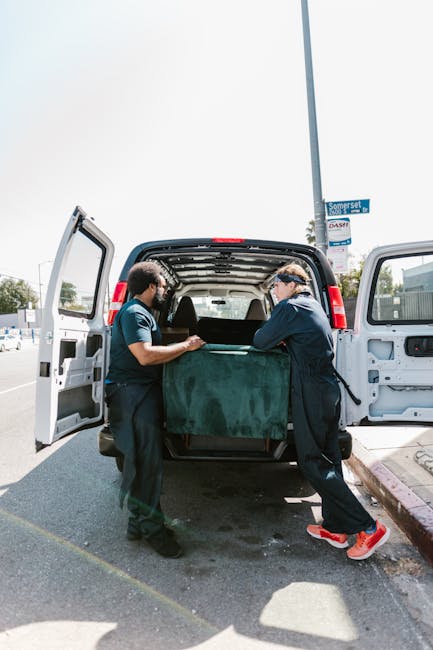
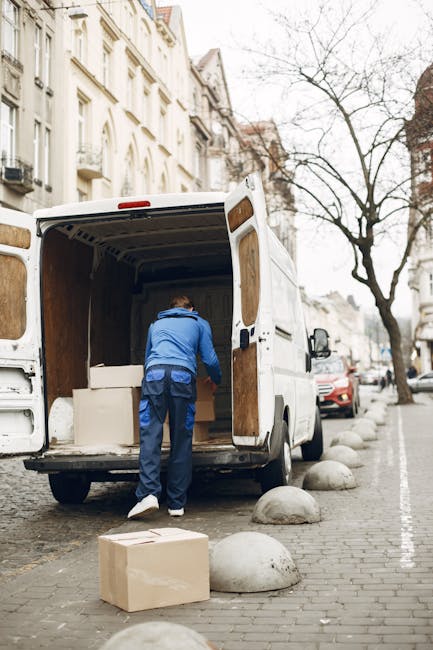
If you are planning Catford cat sculpture removals access and parking tips for a move, delivery, or one-off collection, the little details matter more than people expect. A van can be perfectly booked and still lose time if the approach is awkward, the bay is blocked, or there is nowhere sensible to wait while loading. In a busy part of South East London, that can turn a tidy job into a slightly frantic one. And nobody needs that on moving day.
This guide breaks down how access tends to work around the Catford cat sculpture area, what parking and loading issues to think about, and how to plan a smoother visit without guessing your way through the streets. It is written for homeowners, tenants, small businesses, collectors, and anyone organising a removal or bulky item move nearby. You will also find a checklist, a comparison table, and a few practical pointers that help avoid the usual headaches.
Why Catford cat sculpture removals access and parking tips Matters
The Catford cat sculpture has become one of those local landmarks people use as a rough point of reference, even when the real job is happening a few streets away. That matters because landmarks often sit in places with mixed access: buses, local traffic, side roads, pedestrian flow, and the occasional awkward corner where a van has to do a bit of a shuffle. If you are removing furniture, white goods, office stock, or a single cherished item, a few minutes of planning can save a lot of lifting and waiting.
Access and parking are not just about convenience. They affect safety, timing, and whether a removal team can work efficiently. A van parked too far away means more carrying. More carrying means more chance of fatigue, scuffed walls, and a tight staircase becoming a nuisance. On the other hand, a sensible stopping point can make the whole move feel calmer, quieter, and far less stressful. That is usually the difference between a job that feels under control and one that is, well, a bit of a slog.
For local moves, especially in built-up London streets, parking rules can be as important as the actual lifting plan. A good operator will think about bay restrictions, access width, turning space, and whether the driver can pull in without blocking traffic. If you are arranging a wider household move, it can also be worth looking at house removals or man and van support depending on how much needs shifting.
How Catford cat sculpture removals access and parking tips Works
At a practical level, the process is simple: assess access, choose the right vehicle, work out where the van can stop, and then plan the loading sequence around that stopping point. The catch is that each part affects the next one. A narrow road might suit a smaller van better than a larger removal vehicle. A bigger job might need extra time or a second pair of hands. And a property with limited frontage may need a different approach from one with a front drive or a quiet side street.
For most jobs around Catford, the best result comes from a quick pre-check. You identify the exact address, the street layout, any nearby restrictions, and the easiest place to park legally and safely. If the route from the vehicle to the property is long, plan for extra trolleys, lift covers, or manual carrying. If there are stairs, consider whether bulky items will need to be turned carefully before they even leave the building. Simple stuff, but it all adds up.
In many cases, a trusted local team will discuss these details before arrival. That is one reason customers often compare removal services and movers rather than booking the first option they see. The right choice is usually the one that understands not just the item, but the street outside it.
Key Benefits and Practical Advantages
Good access planning is not glamorous, but it saves time and tempers. That is the honest truth. Here are the main advantages:
- Faster loading and unloading because the van is close enough to the property.
- Lower risk of damage to doors, furniture, walls, and flooring.
- Less disruption for neighbours, pedestrians, and passing traffic.
- More accurate pricing when the operator understands the real access conditions.
- Better safety for everyone involved, especially on busy roads or tight pavements.
There is also a quieter benefit: less mental load. When the parking plan is sorted, you are not standing at the window muttering, "where on earth is the van going to go?" That small sense of control makes a move feel more manageable. It sounds minor, but it is not.
If your job involves larger household items or a full property move, pairing the plan with home moves or man with van removal support can make the whole thing feel more straightforward. For smaller pickups, a tidy local booking through furniture pick up may be enough.
Who This Is For and When It Makes Sense
This topic is useful for anyone moving anything awkward near Catford, but a few groups benefit most:
- People collecting or delivering furniture around the Catford sculpture and nearby roads
- Families moving house in a street with limited parking
- Tenants clearing flats where the loading point is not right outside the door
- Small businesses relocating stock, fixtures, or office equipment
- Landlords arranging end-of-tenancy removals
- Anyone hiring a van for the first time and not sure how access affects the job
It also makes sense if you are simply trying to avoid delays. To be fair, many people only think about parking once the van has already arrived. That is usually the moment the stress starts. If the street is tight, or if there is a busy school run, market traffic, or delivery pressure nearby, a few minutes of foresight can prevent a lot of standing around.
For commercial jobs, it may be useful to review commercial moves or office removals if you are shifting business items, because the access needs are often different from a domestic move.
Step-by-Step Guidance
Here is a practical way to plan Catford access and parking without making it overcomplicated.
- Check the exact collection point. Do not rely on the general area name. The street itself matters, and sometimes one side of the road is much easier than the other.
- Look for restrictions. Bay times, permit zones, yellow lines, kerb markings, school-time congestion, and bus routes all change the picture.
- Measure the access path. Think about the walk from van to door. If it is long, factor in more time and maybe extra handling gear.
- Identify obstacles. Low branches, narrow gates, shared entrances, railings, steps, steep drives, and tight corners can all slow things down.
- Match the vehicle to the job. A smaller van may park more easily, while a larger vehicle may carry more in one run. Which matters more for your move?
- Load in the right order. Put the heaviest or most awkward items in first if they are going furthest, but keep the unloading sequence sensible too.
- Leave a contingency. Add a little buffer for traffic, parking changes, and the kind of minor delay that always seems to happen at exactly the wrong time.
When a team is well organised, they will often discuss access before the day itself. If you are comparing providers, the booking conversation should feel clear and practical. Pages like man with van and removals can help you understand the service style, while pricing and quotes helps set expectations on cost factors that may relate to parking difficulty or loading time.
Expert Tips for Better Results
Here is where the small stuff pays off.
- Send photos before the move. A couple of clear pictures of the front of the property, stairwell, or parking area can tell you more than a long explanation.
- Book for a quieter time where possible. Early mornings are often easier than late afternoons, though local patterns do vary. Sometimes a 9am start is a dream; sometimes it is not. London has its own opinions.
- Reserve space where allowed. If there is a legal way to secure a bay or loading spot, it can make a big difference. Just be sure to follow the relevant local rules and time limits.
- Use protective gear. Blankets, straps, gloves, and a trolley can save a lot of effort and a few choice words.
- Plan the exit path. The route out of the building is just as important as the van space outside. People often forget that bit. Then the sofa appears, and suddenly everyone remembers.
One small but useful habit is to walk the route yourself once before moving day. It sounds obvious, but you would be surprised how many issues become clear in that five-minute stroll. A narrow turn, a low branch, a broken paving slab, or a cramped doorway can change the plan completely.
If you are looking for a more hands-on option, man with a van and removal van services are often better suited to streets where parking is limited and flexibility matters more than brute capacity.
Common Mistakes to Avoid
The biggest mistakes are usually not dramatic. They are the tiny assumptions that stack up.
- Assuming the van can stop right outside. In many Catford streets, that may simply not be realistic.
- Ignoring loading times. Parking for five minutes is one thing; loading a whole flat takes longer.
- Choosing the wrong vehicle size. Too small and you need multiple trips; too big and parking becomes a headache.
- Forgetting neighbours or shared access. A shared driveway or narrow entrance needs a bit of courtesy and timing.
- Leaving fragile items until the end. By then people are tired, and that is when accidents happen.
- Not checking the insurance situation. If items are valuable or awkward, you want to be clear about cover and responsibility.
Truth be told, many problems in removals come from a mismatch between expectation and reality. The customer imagines a neat curbside pickup. The street has other ideas. If you prepare for that possibility, you are already ahead.
Tools, Resources and Recommendations
You do not need a complicated kit, but a few sensible tools make a move much easier:
- Measuring tape for doors, gaps, stair corners, and the van opening
- Phone camera for sharing access photos and marking tricky areas
- Trolley or sack truck for heavier boxes and appliances
- Furniture blankets for protecting finishes and painted surfaces
- Ratchet straps to secure loads properly
- High-visibility awareness if the loading point is close to traffic
For service planning, it can also help to review moving van, removal truck hire, and removal company pages so you can compare the level of support with the scale of the job.
And if you are the type who likes a tidy plan, ask for an item list, estimated number of trips, and a quick summary of the access assumptions. That little note can be surprisingly useful when everyone is tired and trying to remember who said what.
Law, Compliance, Standards, or Best Practice
For removals and parking in London, a careful approach matters. The exact rules for bay use, loading, waiting, permits, and vehicle restrictions can vary by street and local authority, so it is wise not to rely on guesswork. The safest approach is to treat parking as a planning task, not an afterthought. If a vehicle is stopping on a restricted street, the operator should understand the local conditions and any permissions required.
From a practical best-practice point of view, the main priorities are clear communication, safe loading, proper securing of items, and respect for pedestrians and neighbouring properties. In the UK removals trade, good operators also work with sensible manual handling habits: don't overreach, don't rush awkward turns, and don't try to force oversized furniture through a doorway just because everyone is getting a bit impatient.
Health and safety expectations also matter. For a busy move, look for evidence that the provider takes safety seriously, particularly where heavy lifting, narrow hallways, or roadside loading are involved. It is fair to ask about insurance and handling procedures. If the job is valuable or physically awkward, that is not being fussy. That is being sensible.
You can also review pages such as health and safety policy and insurance and safety to understand the sort of standards a professional operator should be thinking about.
Options, Methods, or Comparison Table
Different access situations call for different approaches. Here is a simple comparison that may help you decide what is most practical.
| Approach | Best for | Strengths | Trade-offs |
|---|---|---|---|
| Small van close to property | Narrow streets, limited parking, lighter loads | Easier to park, more flexible, often quicker access | May need more trips for larger moves |
| Larger removal vehicle | Full-house moves, bulky furniture, business relocations | More load space, fewer runs, better for organised packing | Harder to park in tight areas |
| Two-person handling team | Heavy items, stairs, fragile pieces | Safer lifting, better control, less strain | Usually costs more than a solo helper |
| Pre-arranged access plan | Busy roads, shared entrances, restricted bays | Reduces delays and confusion | Needs a bit of advance coordination |
If you are unsure which option fits your move, start with the access reality, not the ideal scenario. That way the plan stays grounded. A tidy choice now saves a messy one later.
Case Study or Real-World Example
Here is a realistic example from the kind of situation people often face near Catford. A tenant in a first-floor flat needs to move a sofa, a bed base, several boxes, and a mirror. The street is busy by late morning, parking is tight, and the lift in the building is not an option. On paper, it looks simple. In practice, the timing and parking are the real challenge.
The solution is usually a mix of common sense and preparation: choose a smaller van, arrive early, confirm the nearest legal stopping place, and have the flat packed before the vehicle arrives. The sofa comes down first while the route is clear. Fragile items stay wrapped and are loaded last so they can be unloaded earlier at the destination. Nothing fancy. Just orderly.
In that sort of move, a customer may start by looking at removals near me and then narrow down to a more suitable option once they realise the access constraints matter more than the postcode alone. That is a normal shift in thinking. Actually, it is a good one.
The move ends with fewer breaks, less stress, and no one trying to squeeze a sofa past a car that should have been moved ten minutes earlier. Small victory, but a real one.
Practical Checklist
Use this checklist before booking or on the day itself.
- Confirm the exact address and loading point
- Check for parking restrictions, bay times, and permit rules
- Measure doorways, stair turns, and any narrow passages
- Decide whether a small van or larger vehicle is more realistic
- Share photos of the property frontage and entrance if possible
- Plan the order of items to be loaded and unloaded
- Protect floors, walls, and furniture surfaces
- Keep walkways clear for safe lifting
- Allow extra time for traffic and parking changes
- Have a backup plan if the nearest space is not available
Quick reminder: if the move involves business stock, office furniture, or anything time-sensitive, build in even more breathing room. Access in London has a way of changing right when you most need it not to.
Get a free quote today and see how much you can save.
Conclusion
Catford cat sculpture removals access and parking tips are really about one thing: reducing friction before it starts. If you know where the vehicle can stop, how far items must travel, and what the street is likely to do on the day, you can avoid a lot of unnecessary stress. That is true whether you are moving one bulky item or clearing an entire property.
The best moves feel uneventful in the end. A calm arrival, a sensible loading point, no drama with parking, and everyone getting on with the job. That is the goal. Not perfection. Just a smooth, decent move that gets done properly.
And honestly, once the last box is in, the street feels quieter, the day feels lighter, and you can finally breathe again. Nice when that happens.
Frequently Asked Questions
What are Catford cat sculpture removals access and parking tips?
They are the practical steps you take to make a removal, pickup, or delivery near the Catford cat sculpture easier. The focus is on where the vehicle can park, how close it can get, and how to avoid delays caused by tight streets or restrictions.
Do I need to worry about parking before booking a van?
Yes, absolutely. Parking often determines how long a job takes and how much manual carrying is needed. If the vehicle cannot stop close to the property, the move may take longer and need more labour.
Is a small van better than a larger removal vehicle in Catford?
Not always, but often it is easier to park a smaller van in tighter London streets. A larger vehicle can be better for capacity, though it may be harder to place legally and safely. The right choice depends on the load and the road layout.
How can I tell if my street is suitable for loading?
Look at the width of the road, nearby restrictions, bay markings, and how much space a vehicle would need to wait safely. If you are unsure, take photos and compare the route from vehicle to door before the move day.
What should I send a removal company before the job?
Send the address, photos of the frontage, any parking concerns, details of stairs or lifts, and a rough list of items. That usually gives the team enough information to suggest the best vehicle and timing.
Are there best times of day for removals in Catford?
Earlier tends to be better in many busy London areas, but the right time depends on local traffic patterns and parking availability. A quieter window can make a huge difference, especially on narrow roads.
What if the van cannot park outside my building?
Then the team may need to park a short distance away and carry items to the vehicle. That is workable, but it can take longer. Good planning helps reduce the distance and makes the process smoother.
Should I reserve a parking space for moving day?
If a legal and practical option exists, it can be very helpful. Just make sure you follow the local rules and any time limits. If not, plan for a realistic backup space nearby.
Do access issues affect removal costs?
They can. Difficult parking, long carrying distances, stairs, and awkward access may increase the time needed, which can affect pricing. That is why accurate access details matter when asking for a quote.
What is the safest way to handle bulky items near traffic?
Keep the route clear, use proper lifting equipment, avoid rushing, and load only where the vehicle can be positioned safely. If the street is busy, extra caution is worth it. No item is worth a near miss.
Can I use a man and van service for a small Catford pickup?
Yes, that is often a sensible choice for smaller loads or short-distance moves. It tends to be more flexible when parking is tricky, and it suits jobs where you do not need a full removal truck.
Where can I find more information about the service and standards?
You can review pages such as about us, insurance and safety, and terms and conditions to understand how the business works and what to expect before booking.